
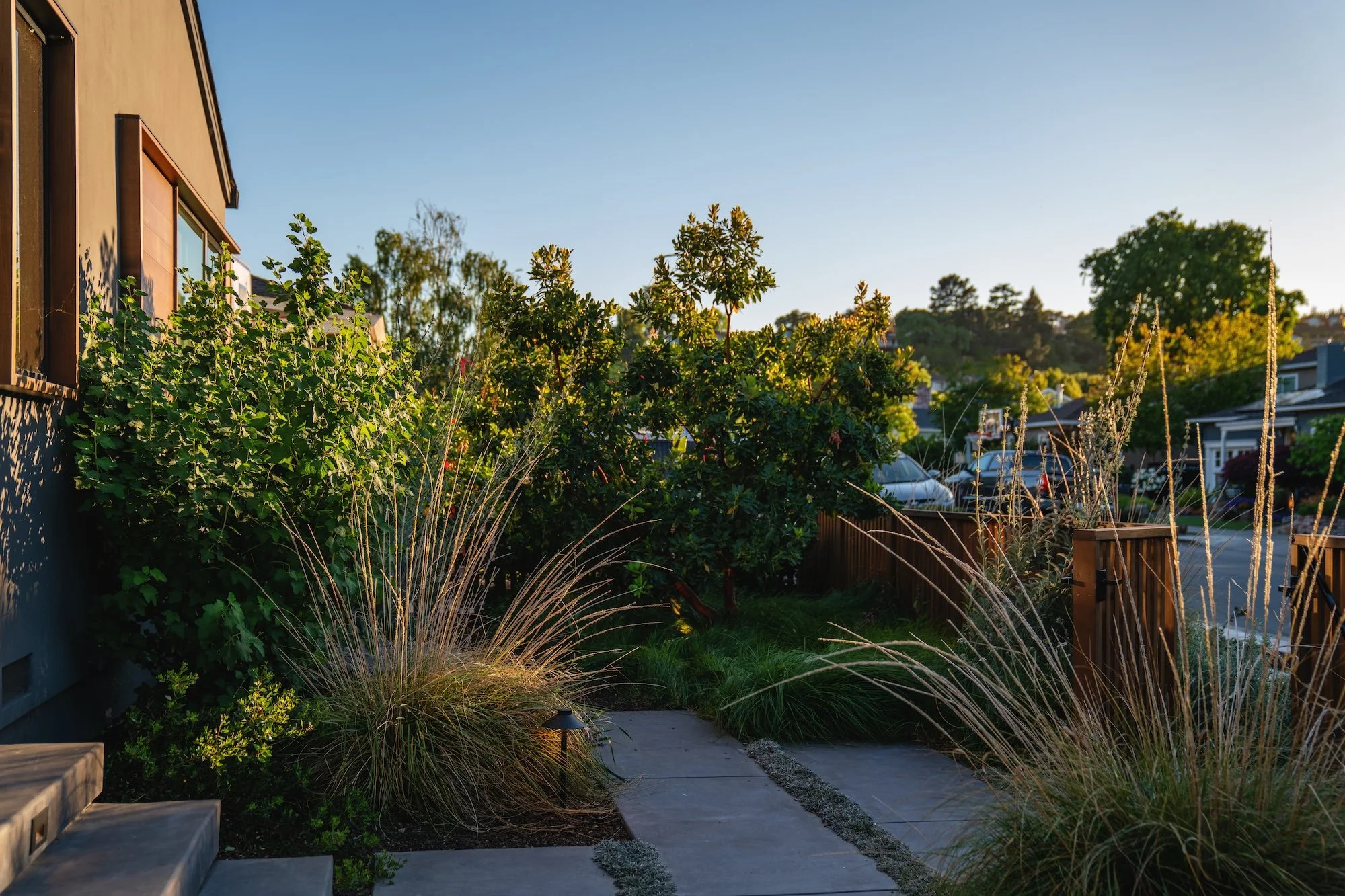
Garden design through an ecological lens, rooted in native plants
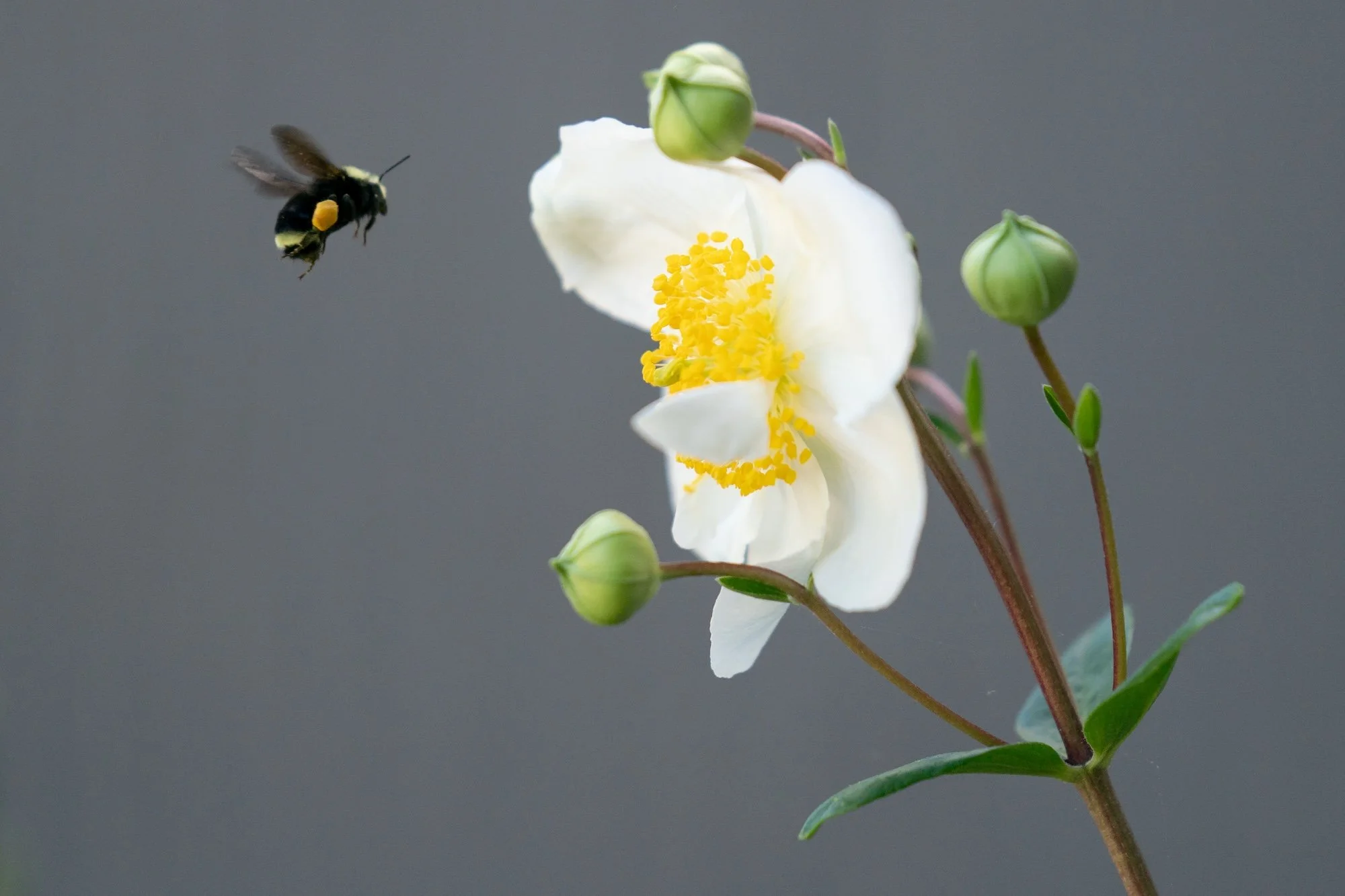
The best gardens are not just beautiful to look at, they are full of life. When designed with the native plants that local wildlife depends on, a garden fills with birds, pollinators, and beneficial insects. It transforms being at home into a deeper experience of connection.
Because native plants evolved in a particular place or region they have developed relationships with other local species, creating an ecological web built over millennia. Those features of climate adaptation and ecological relationships are what make native plants such a powerful anchor for a garden.
How we design with native plants
Designing through an ecological lens means starting from a different question. Before anything else, we look at which plants do the most to support local insects, birds, and pollinators in the garden including any endangered species. We read the site conditions and identify the plant community most likely to thrive.
From there, we begin placing specific plants into the plan. Throughout, we prioritize locally native plants, the ones most connected with the regional web of life. When an ecologically valuable native isn't available or doesn't suit a particular design role, we look to other natives and well chosen non-natives to create a beautiful and enjoyable garden.
Native gardens over time
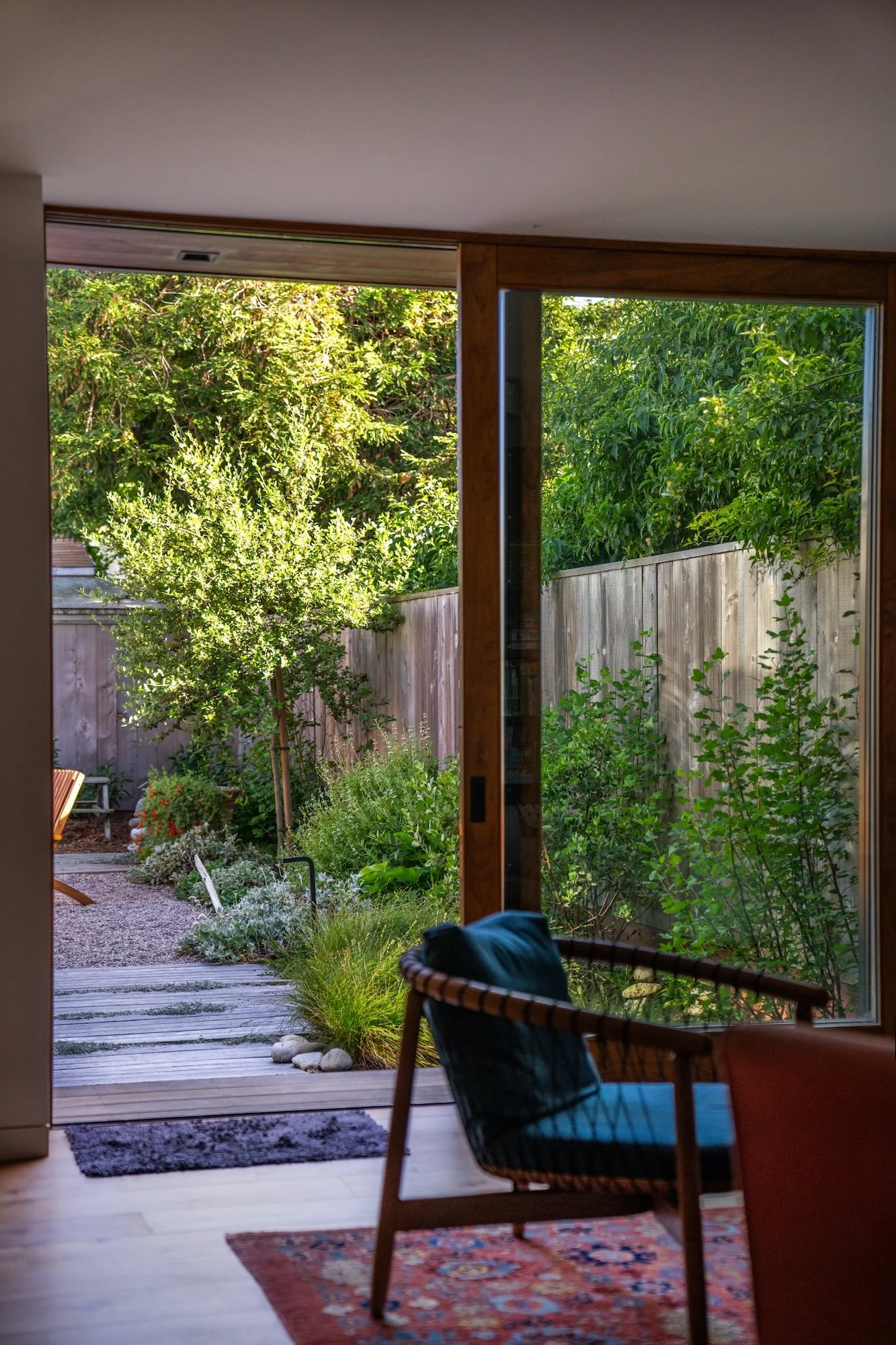
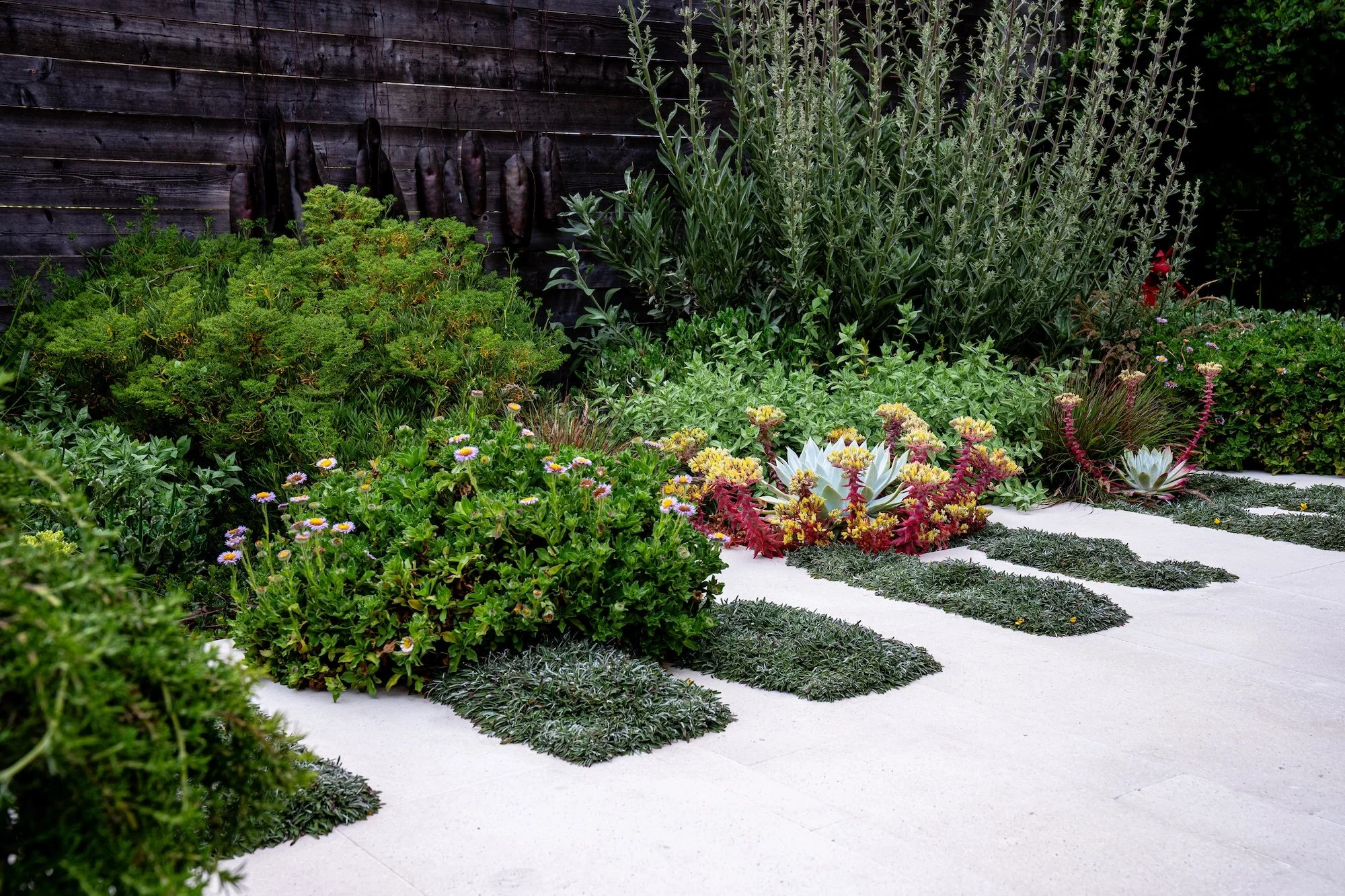
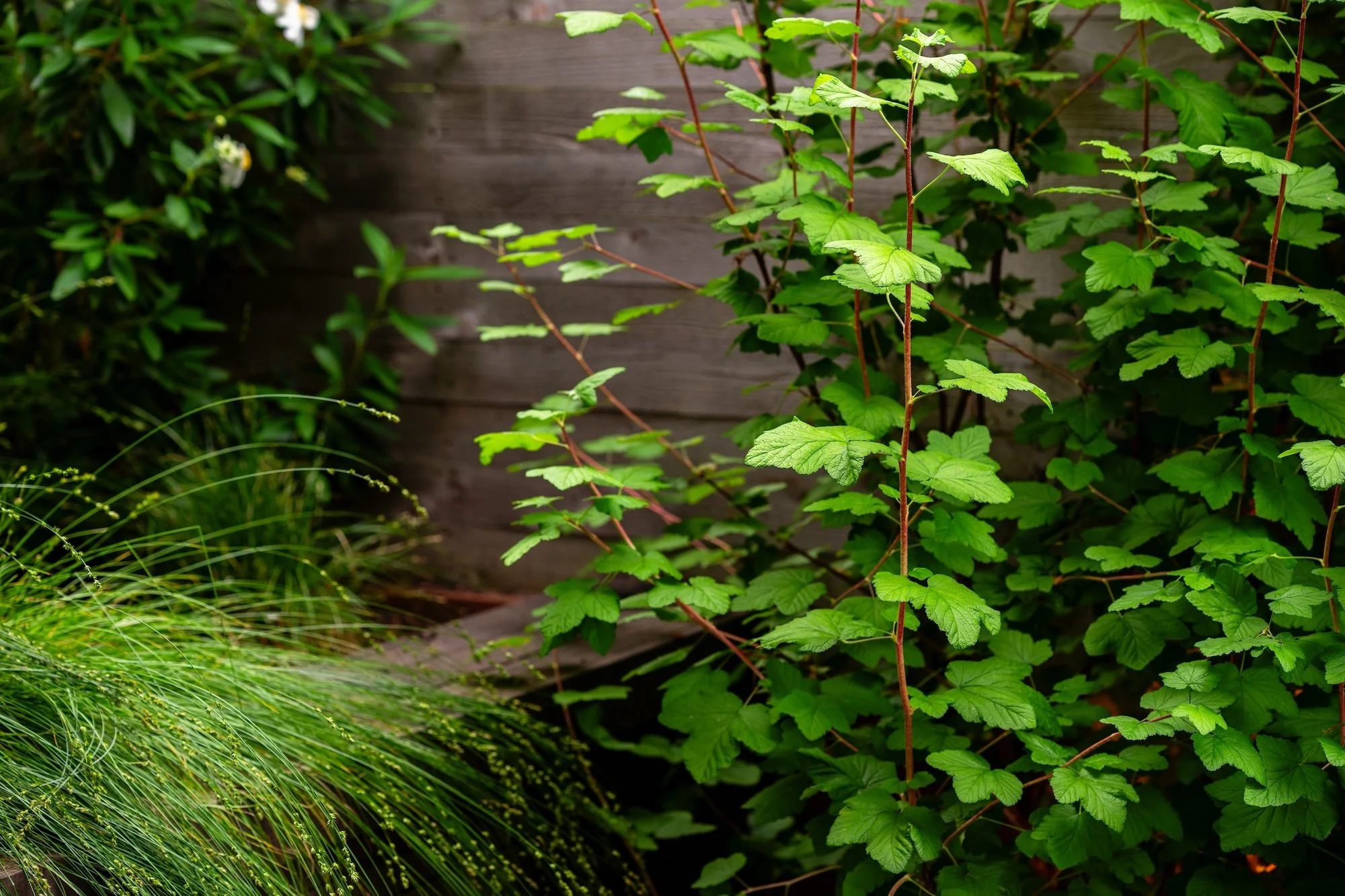
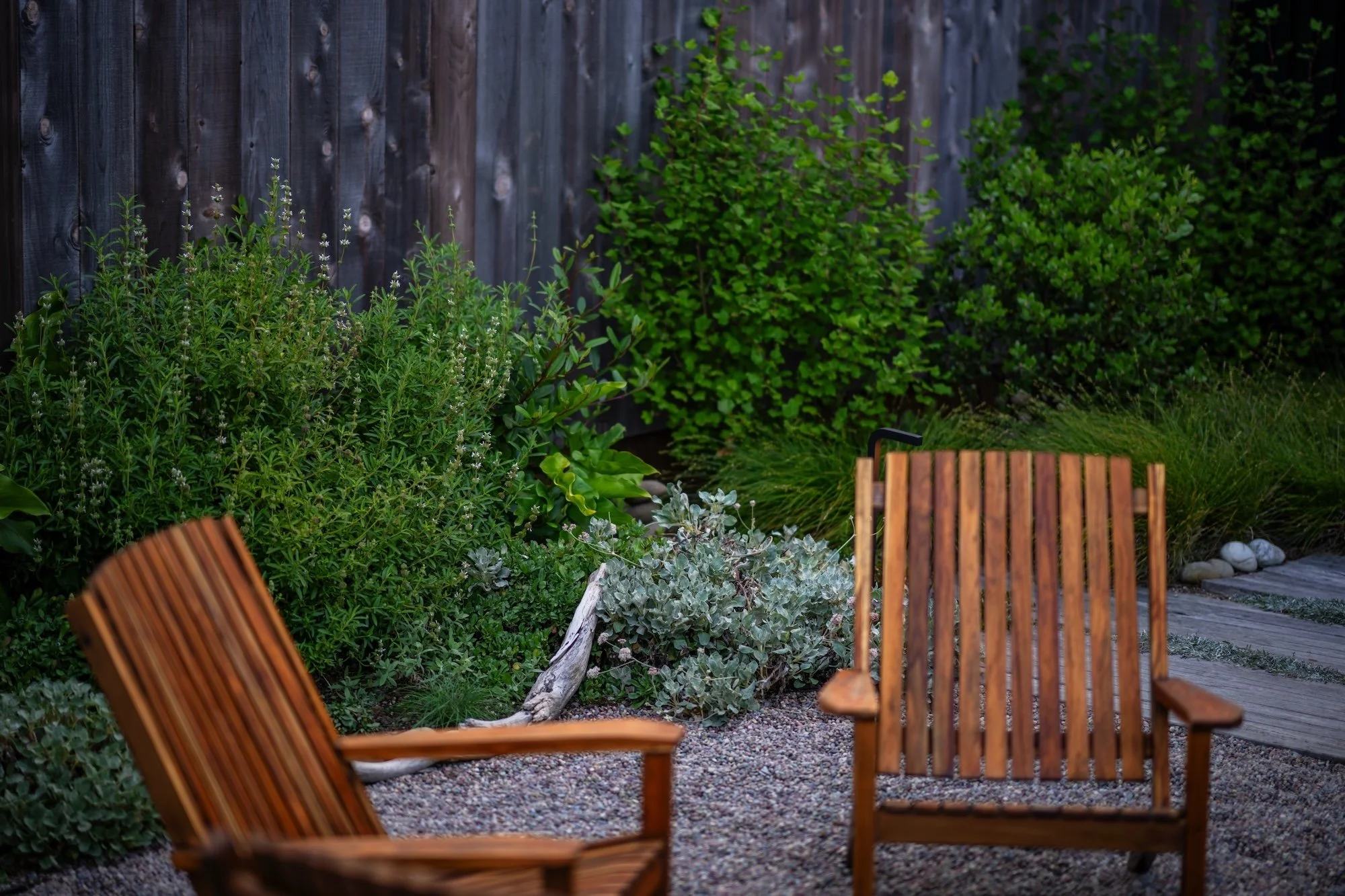
On the surface, an ecology-first garden develops much like a traditional one. Plants grow and fill in over time, settling in and coming to feel rooted in place.
You might not notice that the garden simply thrives, with less water and fewer pest problems. You might not notice that your water bill is lower than it would be irrigating plants not adapted to a Mediterranean climate. You might not notice the quiet role your garden plays in the local web of life, helping native species thrive and adapt to a changing climate.
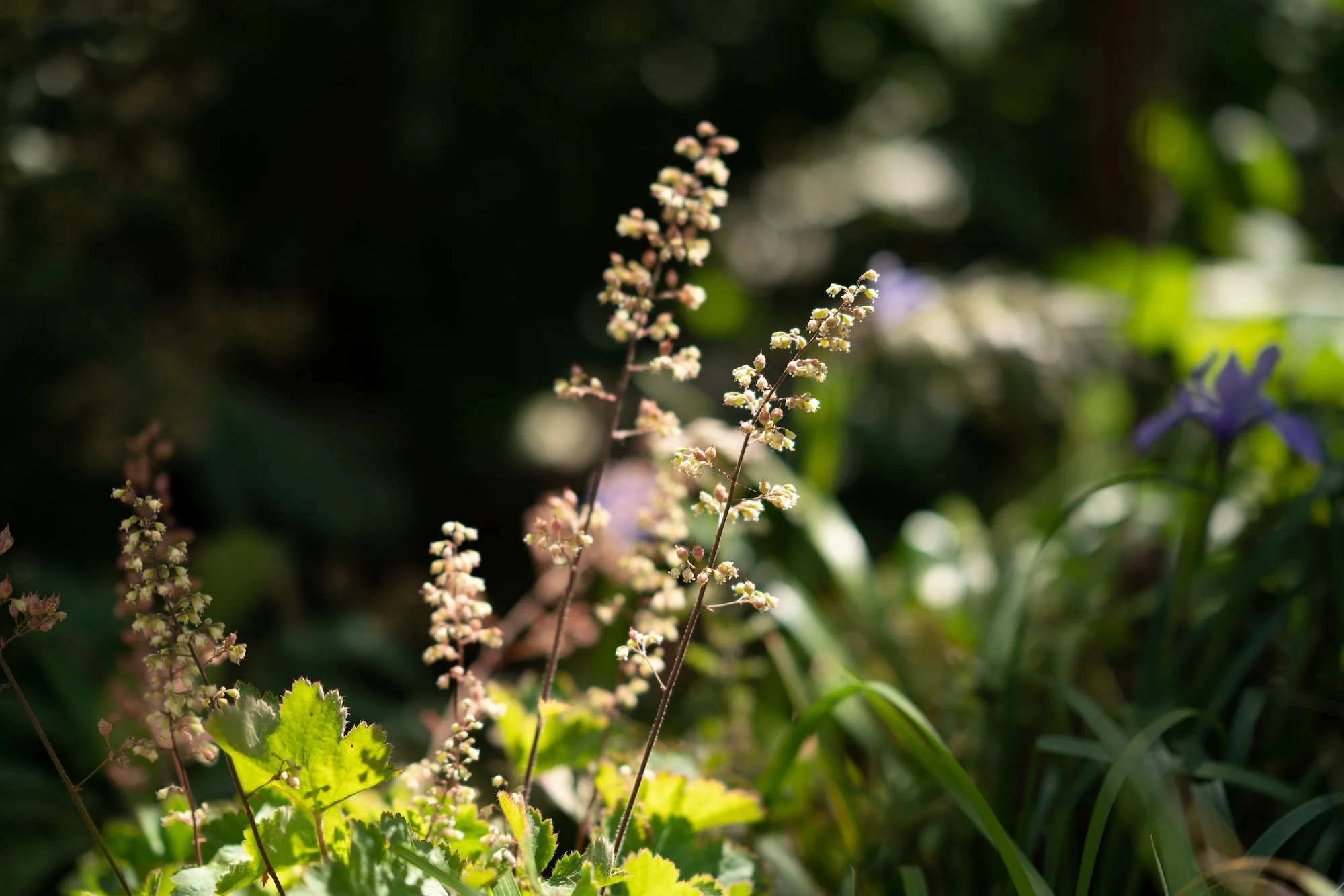
But one thing you will notice is the abundance of life. Butterflies and birds move through the garden, beneficial insects are everywhere doing their work. The space feels healthy and alive.
Frequently asked questions
A few typical questions we get from clients on this topic:
Will a native garden look too wild or unkempt?
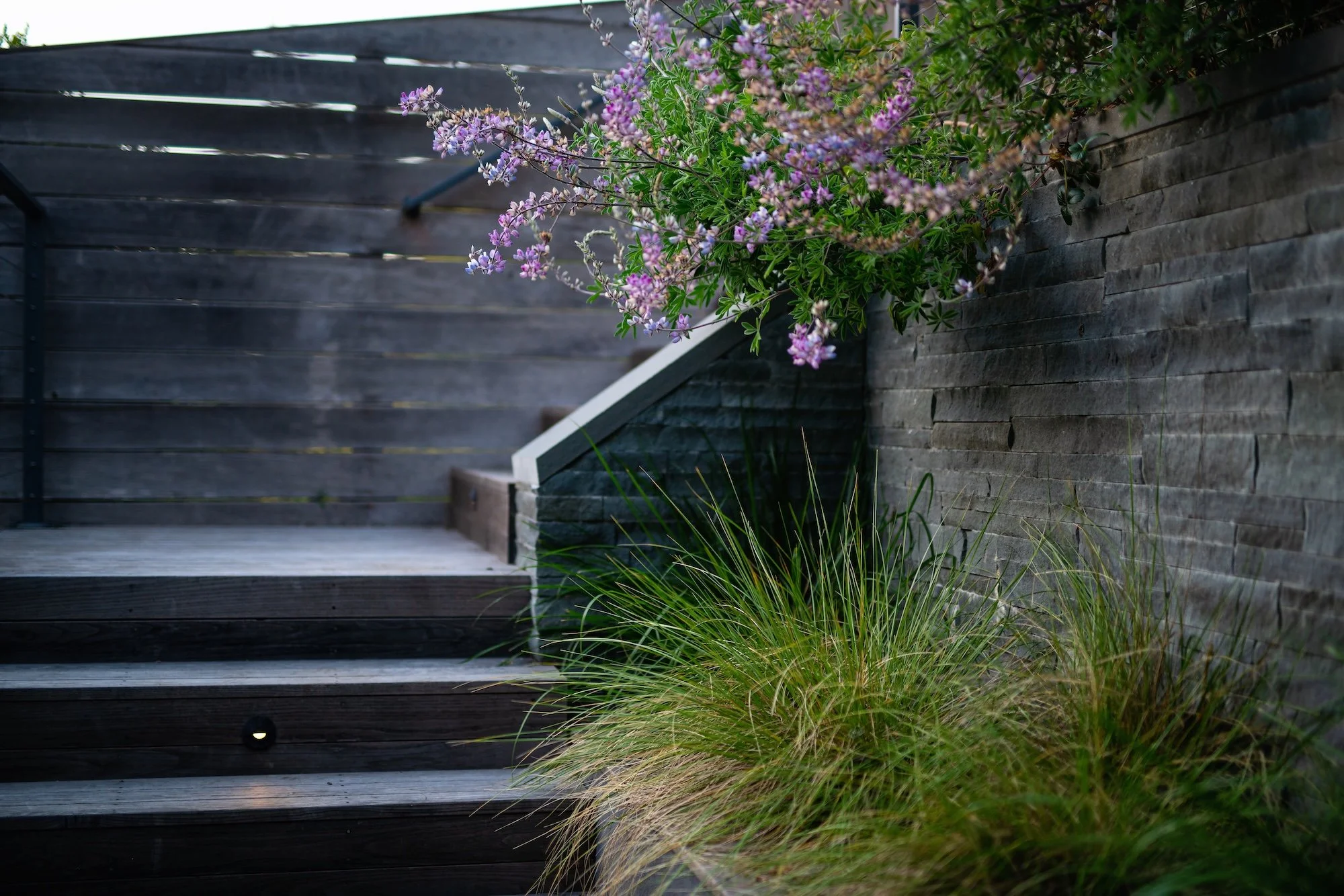
Native plants do have their own character, but they don't lock you into a specific look. This is where the "design" in planting design comes in. The same palette can be utilized in multiple ways ranging from a minimal aesthetic built mostly on greens and quiet, understated flowers to a rambunctious abundance of color, texture, and bloom. Using native plants in and of itself doesn't dictate the aesthetic, the design intent does.
Will an ecological garden attract undesired pests?
It helps to distinguish between pests and beneficial insects. Pests tend to show up when a garden is out of balance with its environment. A native garden takes an ecosystem approach, supporting a balanced insect population where beneficial insects keep pests in check and also provide food for birds and other wildlife. A garden in balance with itself generally has fewer pest problems than a conventional one, not more.
Do native gardens really need less maintenance?
Two things really drive how much maintenance a garden needs, how well adapted the plantings are to the site and how the owner prefers it to look. By designing with native plants we create a garden that is well adapted to the local climate, which takes a lot of the work out from the start. From there, it comes down to how particular a client is about order and tidiness. While we tend to favor a more relaxed management approach, both can work well for a native garden.
Can I mix native and non-native plants?
Absolutely, native and non-native plants can coexist well in a garden. The key is that the planting is designed appropriately for the site, with plants that share similar needs (sun, water, soil) grouped together. There's no fundamental reason a favorite plant should be left out simply because it originated somewhere else, as long as it is reasonably adapted to the existing conditions. While we use natives as the ecological backbone of our planting designs, we appreciate the thoughtful inclusion of plants from around the world.
How long does an ecologically designed garden take to establish?
Honest answer, it depends. On a sunny lot with mature trees already in place, the perennial and groundcover layer might fill in within a year or two. A bare site where we're establishing a tree canopy or screening from neighbors could take five years or longer. The key takeaway is that ecological gardens don't take more time to mature than conventional ones. It comes down to the existing conditions we're planting into, and the characteristics of the plants we choose, not whether they're native or not.
What can we do for you?
Reach out via our CONTACT form and tell us about your project.